Education Under Attack 2026
A Report by The Global Coalition to Protect Education from Attack
A global study of attacks on education and the military use of schools in 2024 and 2025.
Attacks on education and the military use of schools in the context of armed conflict—as well as the numbers of students and staff killed, injured, abducted, or otherwise harmed—were higher than ever recorded. In the 28 countries profiled in this report, education has been targeted in attacks, or schools and univeristies have been used for military purposes.
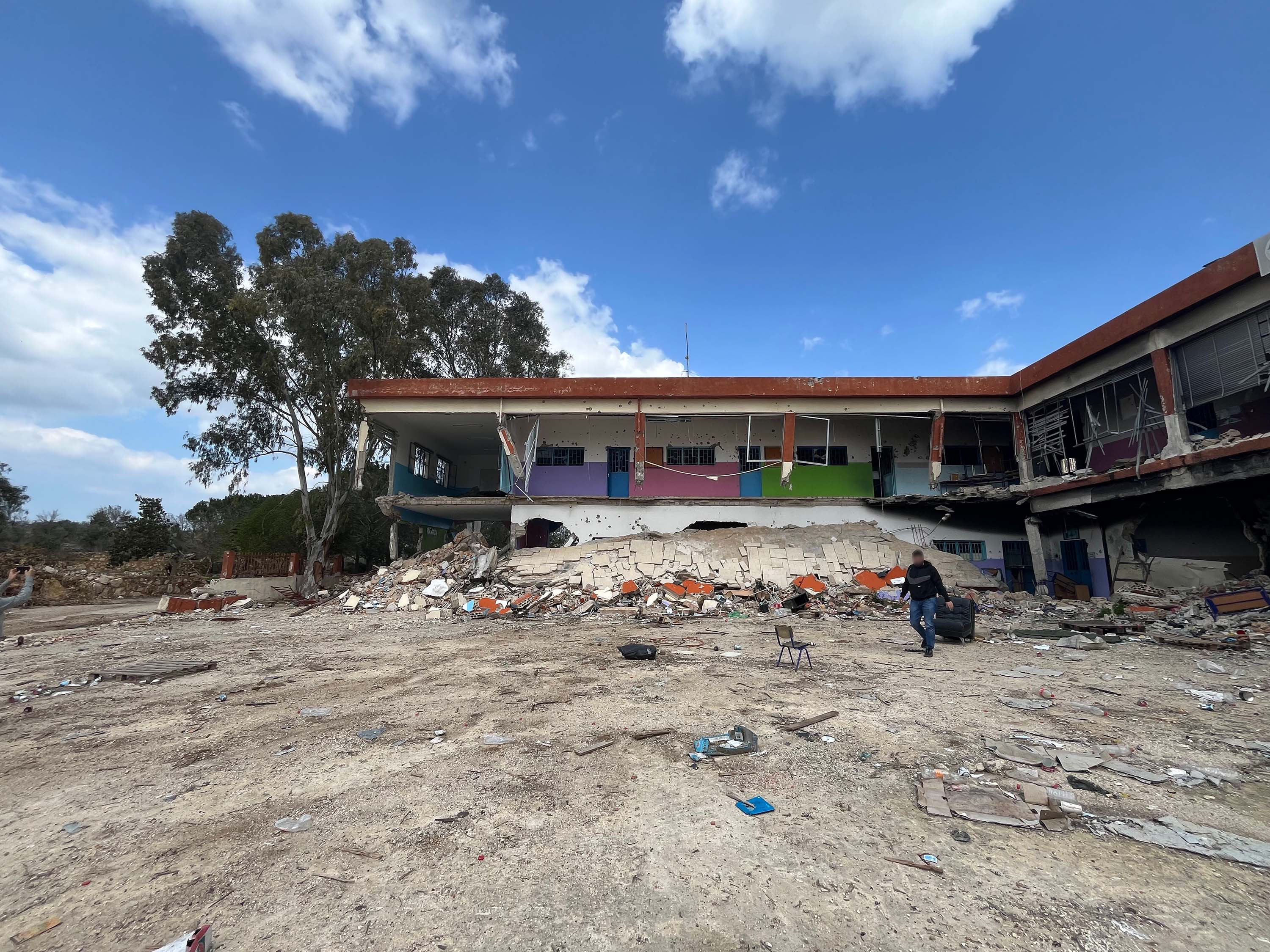
A destroyed school in Homs.
© UNICEF/UNI789920/Ibarra Sánchez / MeMo
Acknowledgments
Generous support for Education under Attack 2026 microsite has been provided by the Government of Norway and Education Cannot Wait.
This website has been produced with financial support from Norway. The contents of this website are the sole responsibility of GCPEA and can in no way be taken to reflect the views of the Government of Norway.
Suggested citation: Global Coalition to Protect Education from Attack (GCPEA), Education under Attack 2026 (New York: GCPEA, 2026).

A report by GCPEA
Education Under Attack
2026
01
Attacks on Education
Continued Global Escalation
Attacks on education rose globally in 2024 and 2025 against the backdrop of increasing conflict, decreasing restraint, and eroding global norms in several regions. The Global Coalition to Protect Education from Attack (GCPEA) recorded at least 9,259 attacks on education, more than a 50% increase compared to 2022-2023.
Attacks during 2024 and 2025 harmed at least 10,600 school and university students, teachers, professors, and education personnel.
Attacks on schools remained the most prevalent form of attack on education with over 3,600, making up over one third of all reported attacks on education and military use, and harming over 1,000 students and staff. Attacks on schools were identified in all but one of the countries profiled in the report.
GCPEA identified reports of attacks on education in 83 countries during the reporting period. This included the 28 countries profiled in this report as well as 55 countries where GCPEA identified reports of isolated or occasional attacks on education or that experienced attacks on education, but were not in armed conflict.
Update, September 9, 2026: To ensure transparency and reflect the most complete verified information available, GCPEA has updated the figures in this section following the incorporation of additional verified incident data received after the report’s original publication. The report’s methodology and analysis remain unchanged.
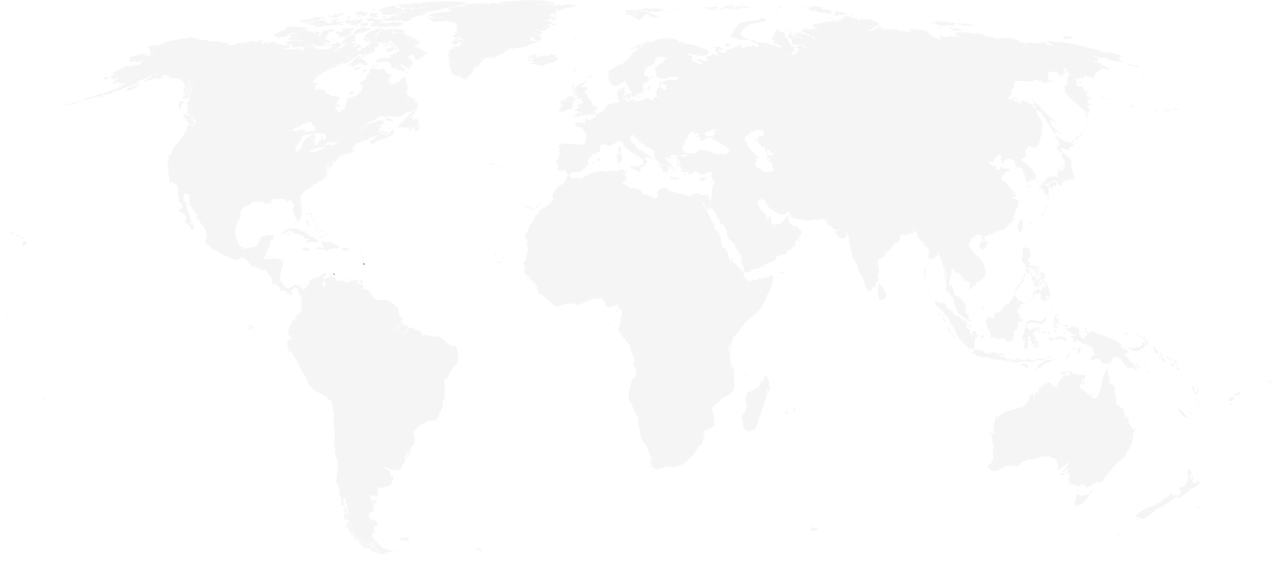


Most affected countries
Interactive Map
Hover your mouse over the dots to explore countries in the Education Under Attack 2026 report.
Colombia
426
Very heavily affected
Total number of attacks
Democratic Republic of Congo
686
Very heavily affected
Total number of attacks
Ethiopia
1,260
Very heavily affected
Total number of attacks
Haiti
577
Very heavily affected
Total number of attacks
India
6,734
Very heavily affected
Total people harmed
Myanmar
445
Very heavily affected
Total people harmed
Nigeria
832
Very heavily affected
Total people harmed
Palestine
3,078
Very heavily affected
Total number of attacks
Türkiye
417
Very heavily affected
Total people harmed
Ukraine
1,062
Very heavily affected
Total number of attacks
Pakistan
218
Heavily affected
Total people harmed
Afghanistan
201
Heavily affected
Total number of attacks
Sudan
213
Heavily affected
Total people harmed
Yemen
283
Heavily affected
Total people harmed
Burkina Faso
30
Affected
Total number of attacks
Cameroon
247
Heavily affected
Total number of attacks
Central African Republic
33
Affected
Total people harmed
Iraq
28
Affected
Total people harmed
Israel
46
Affected
Total number of attacks
Kenya
124
Affected
Total people harmed
Lebanon
160
Affected
Total number of attacks
Mali
63
Affected
Total number of attacks
Mozambique
49
Affected
Total number of attacks
Niger
16
Affected
Total number of attacks
Philippines
9
Affected
Total people harmed
Somalia
79
Affected
Total number of attacks
South Sudan
85
Affected
Total people harmed
Syria
122
Affected
Total number of attacks
02
Most affected countries
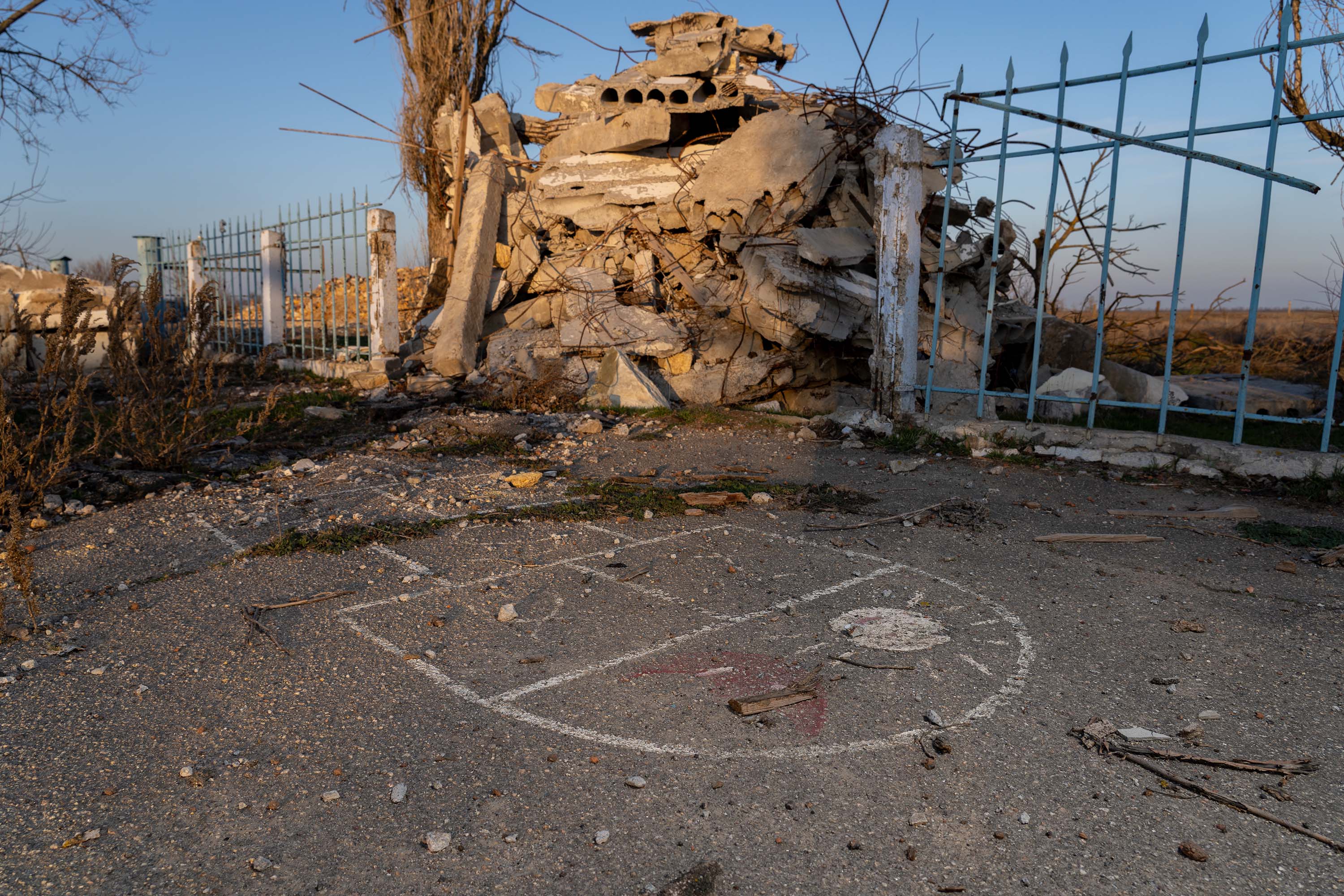
GCPEA recorded the highest incidence of attacks on education in Colombia, Democratic Republic of the Congo (DRC), Ethiopia, Haiti, Palestine, and Ukraine during the 2024-2025 reporting period. Ukraine experienced over 1,000 attacks on schools, and at least 2,400 attacks on school students, teachers, and personnel, were recorded in Palestine.
Myanmar, Nigeria, Yemen, and Cameroon reported the highest numbers of people harmed or killed as a result of attacks on education in 2024 and 2025. GCPEA identified over 1,700 students and staff killed or injured in attacks in these four countries. Over 700 students and staff were reportedly kidnapped in Nigeria. In Myanmar, reports indicated that at least 80 students and staff were killed, and at least 240 were injured, during attacks on education.
03
Changes in Country Trends May Be Driven by Monitoring and Reporting Constraints
Three countries not profiled in the last report are included in this one: Haiti, in the context of increasing violence targeting education, and Israel and Lebanon, in the context of intensifying armed conflict. Many attacks in Israel and Lebanon involved the use of explosive weapons. Three countries that were profiled in the last report did not meet inclusion criteria for Education under Attack 2026: Egypt, Kyrgyzstan, and Libya, owing to deescalation and decreases in reported attacks.
Although the number of attacks and people harmed in attacks has increased compared to 2022-2023, Burkina Faso, Iraq, Mali, Niger, the Philippines, Somalia, and Syria reported fewer attacks on education in 2024-2025 compared with the previous reporting period, particularly in relation to school attacks and/or cases of military use of schools.
In some regions, changing conflict dynamics may have contributed to this decrease. In other regions, funding cuts on monitoring and reporting mechanisms (MRM) and reduced engagement by states with the MRM may be associated with these decreases. Finally, contexts where schools have been forcibly shut down, such as those for girls in Afghanistan, likely also had a serious impact on these numbers.
View the report for an expanded analysis of monitoring and reporting challenges.
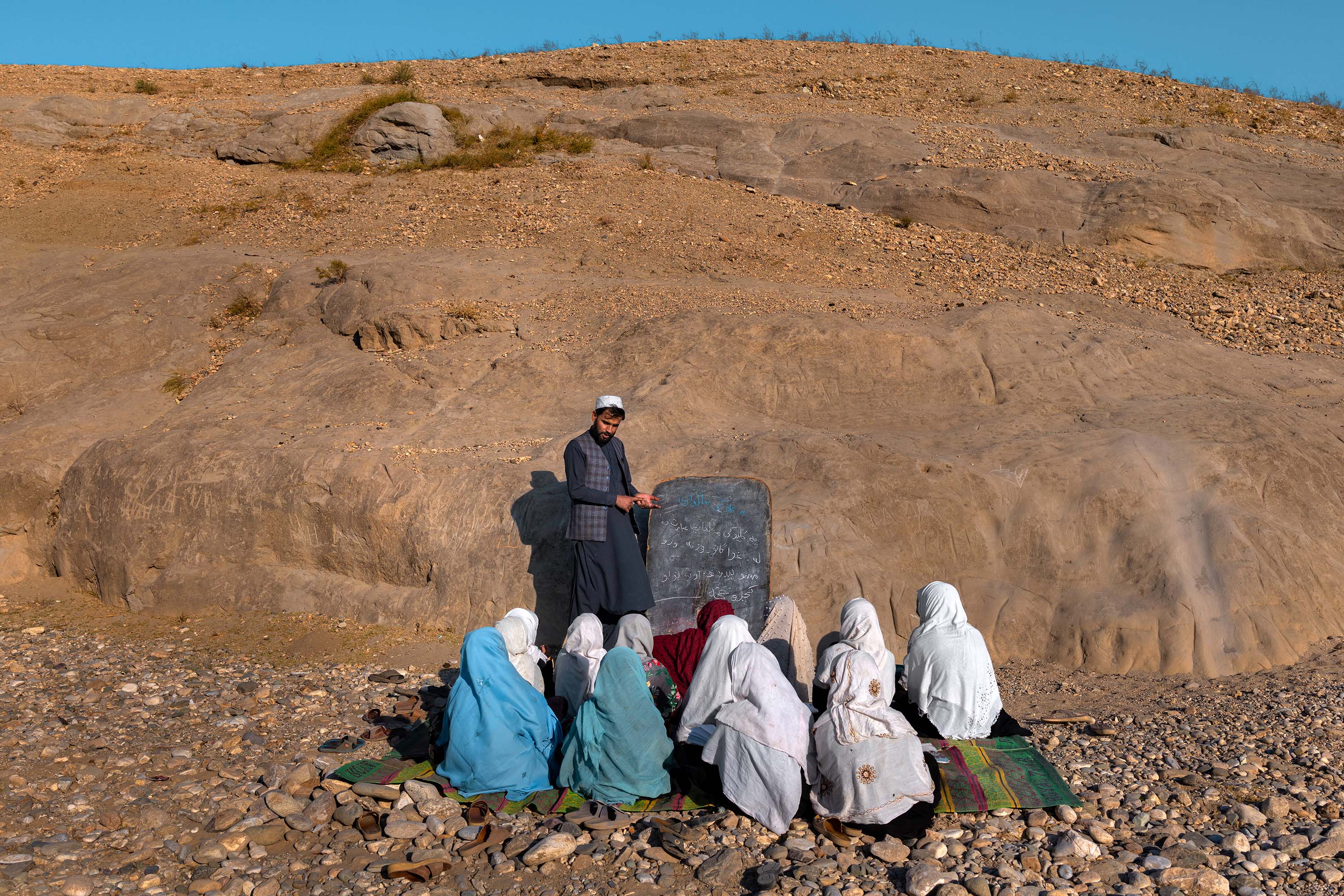
“When they entered the school, the children were so afraid. When the children started screaming, they pointed their guns at the children and said, ‘If you continue screaming, we will kill you.’ So, the children lay on the floor.”
— a Senior staff member who was present at the time of an attack on 2 August 2024, in Haiti, at Montfort Institute, a school in the commune of Croix-des-Bouquets for deaf and deaf-blind children and young adults in Haiti.
Citation: Amnesty International, “I’M A CHILD, WHY DID THIS HAPPEN TO ME?” GANGS’ ASSAULT ON CHILDHOOD IN HAITI, (London: Amnesty International, 2025), (accessed April 8, 2025), p. 52.
04
Key Trends
Explosive Weapons and Drones in Attacks on Education
The use of explosive weapons in populated areas (EWIPA) in armed conflict, including drone-borne explosives, was frequently documented in attacks on education across multiple contexts, resulting in casualties, infrastructure damage, and school closures during 2024 and 2025. Unexploded ordnance, increasing conflict activity and intensity, and changing warfare increased civilian risks in multiple contexts during this reporting period.
GCPEA identified the use of explosive weapons in at least 1,200 individual attacks, affecting 21 of the 28 countries in the report.
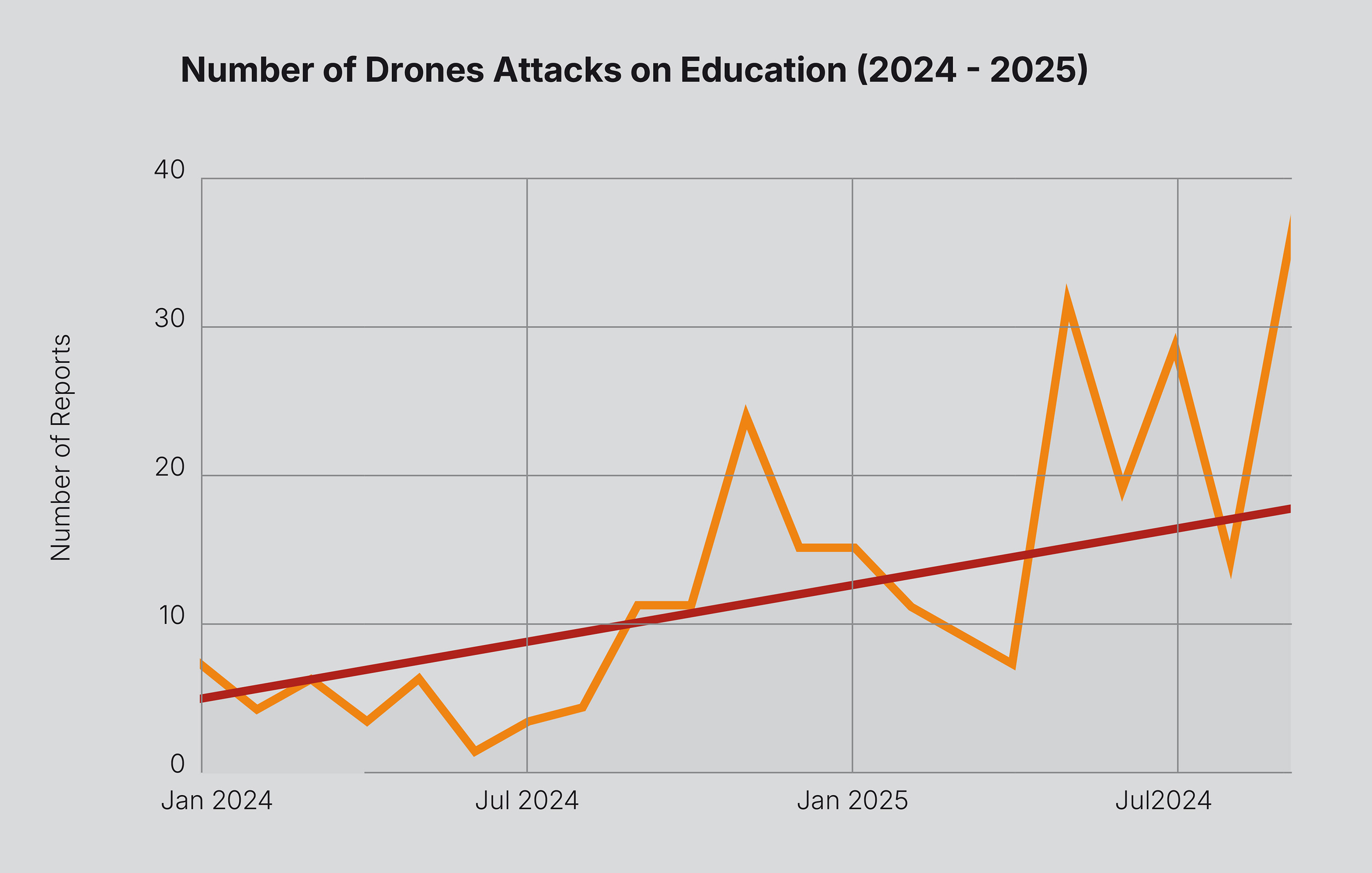
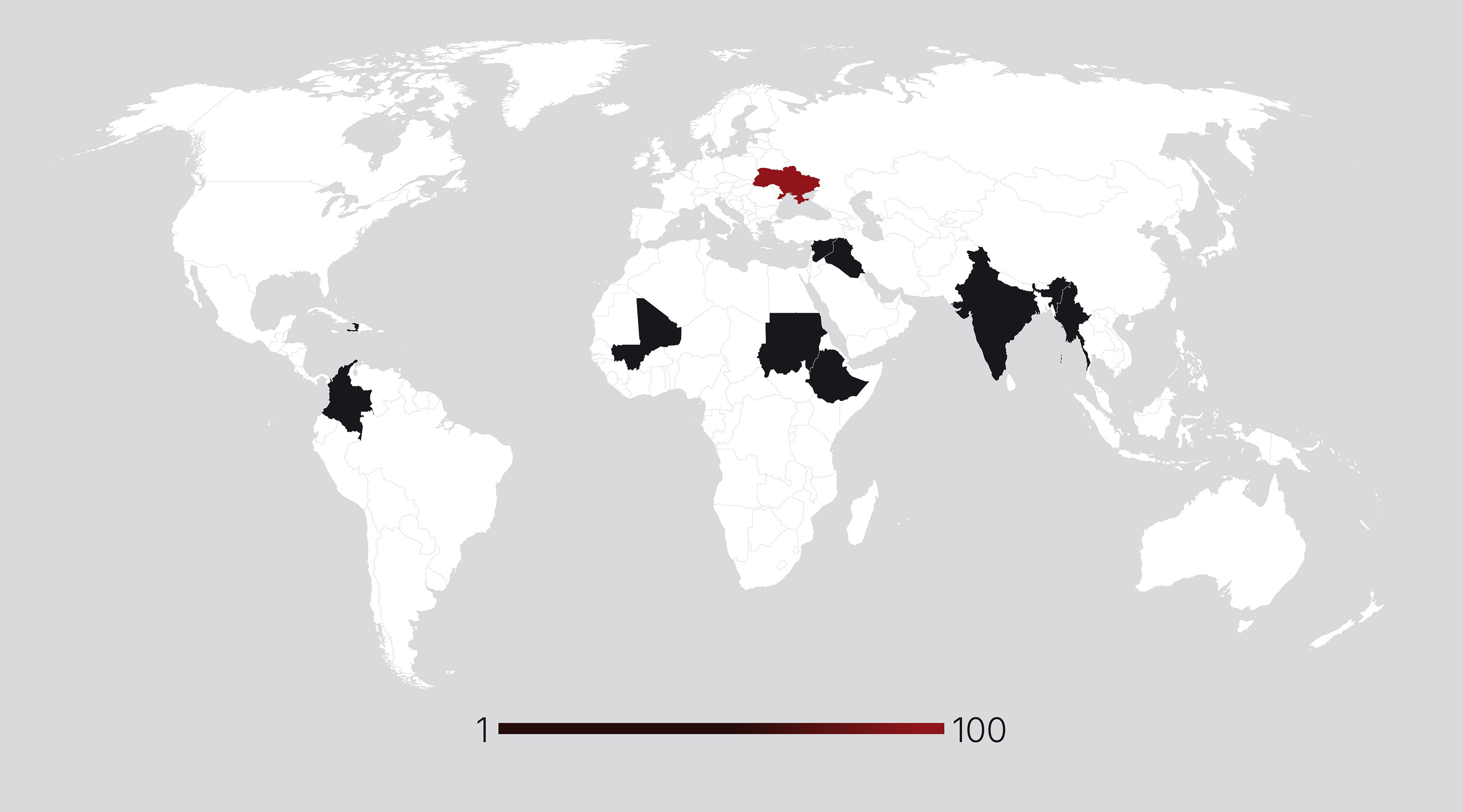
Between 2024 and 2025, GCPEA identified at least 320 reports of drone-related attacks on education that killed and injured almost 300 students and education personnel. GCPEA also recorded at least 250 schools damaged or destroyed by drones.
View the report for an expanded analysis of drone attacks on education.
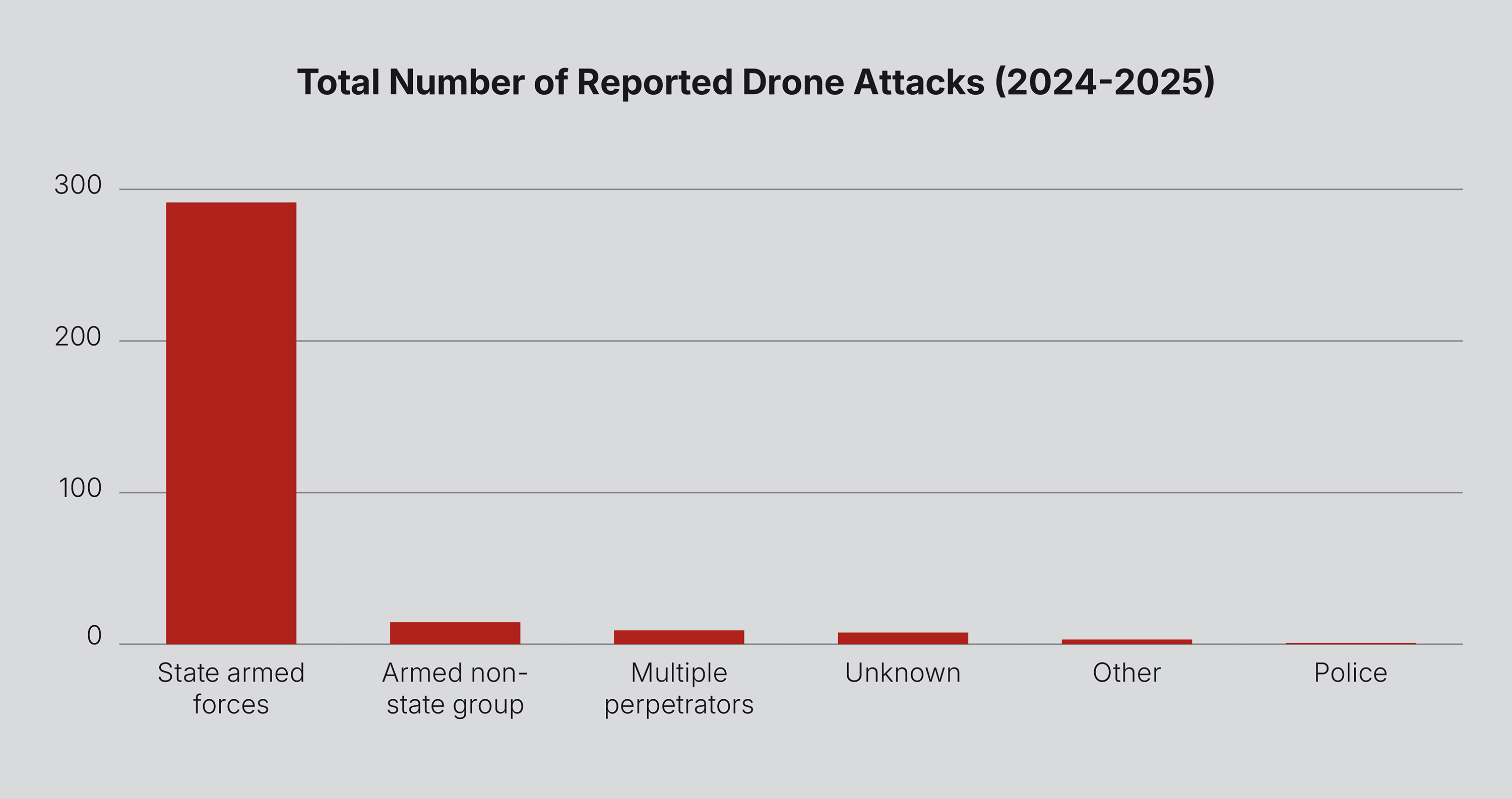
VIEW INFOGRAPHICS
Click to view data on the proliferation of drone-involved attacks on education between 2024 and 2025
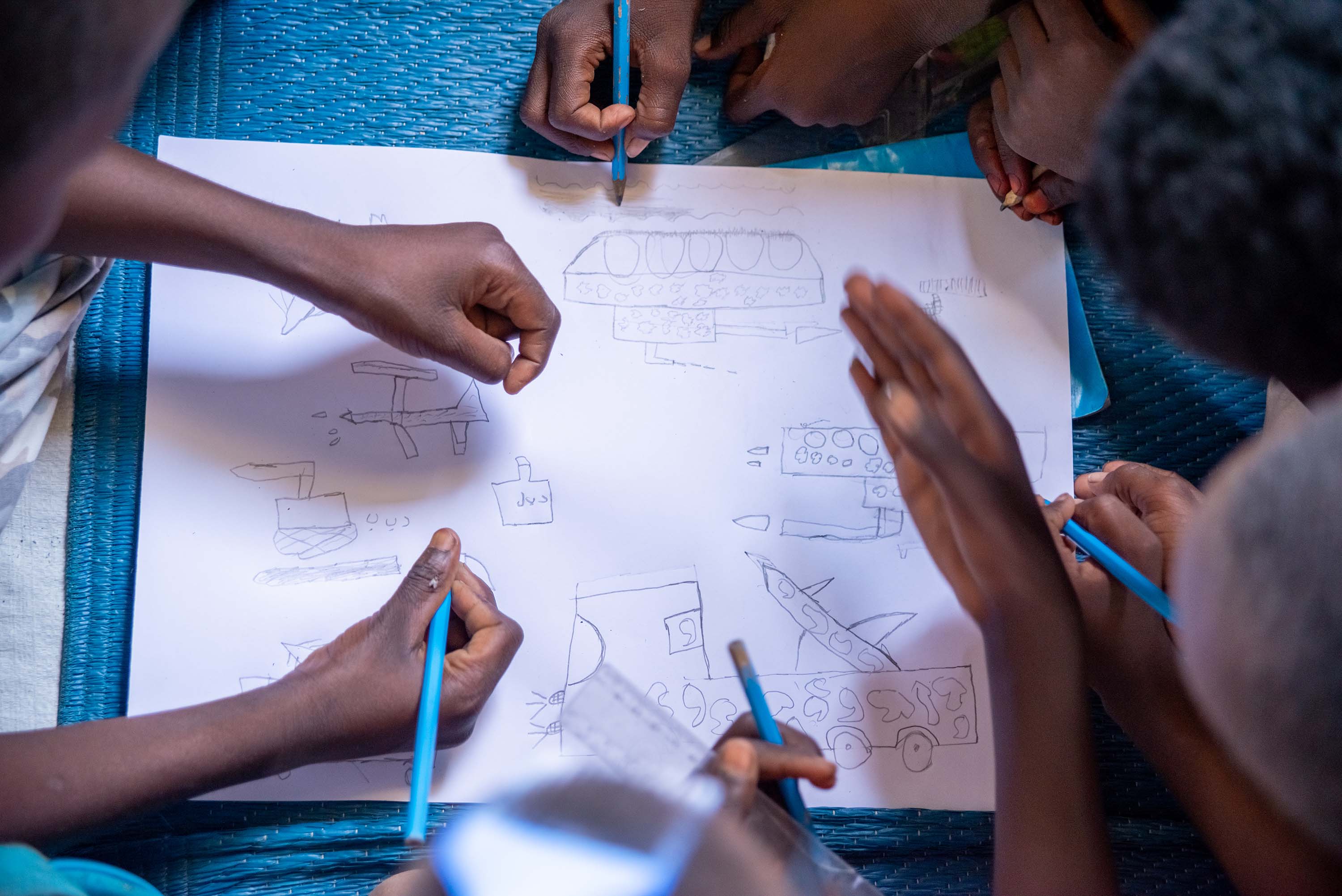
Children attend a sensitization session on unexploded remnants of war at a UNICEF-supported safe learning space in Gedaref state, Sudan.
05
Attacks at the Polls and Protests
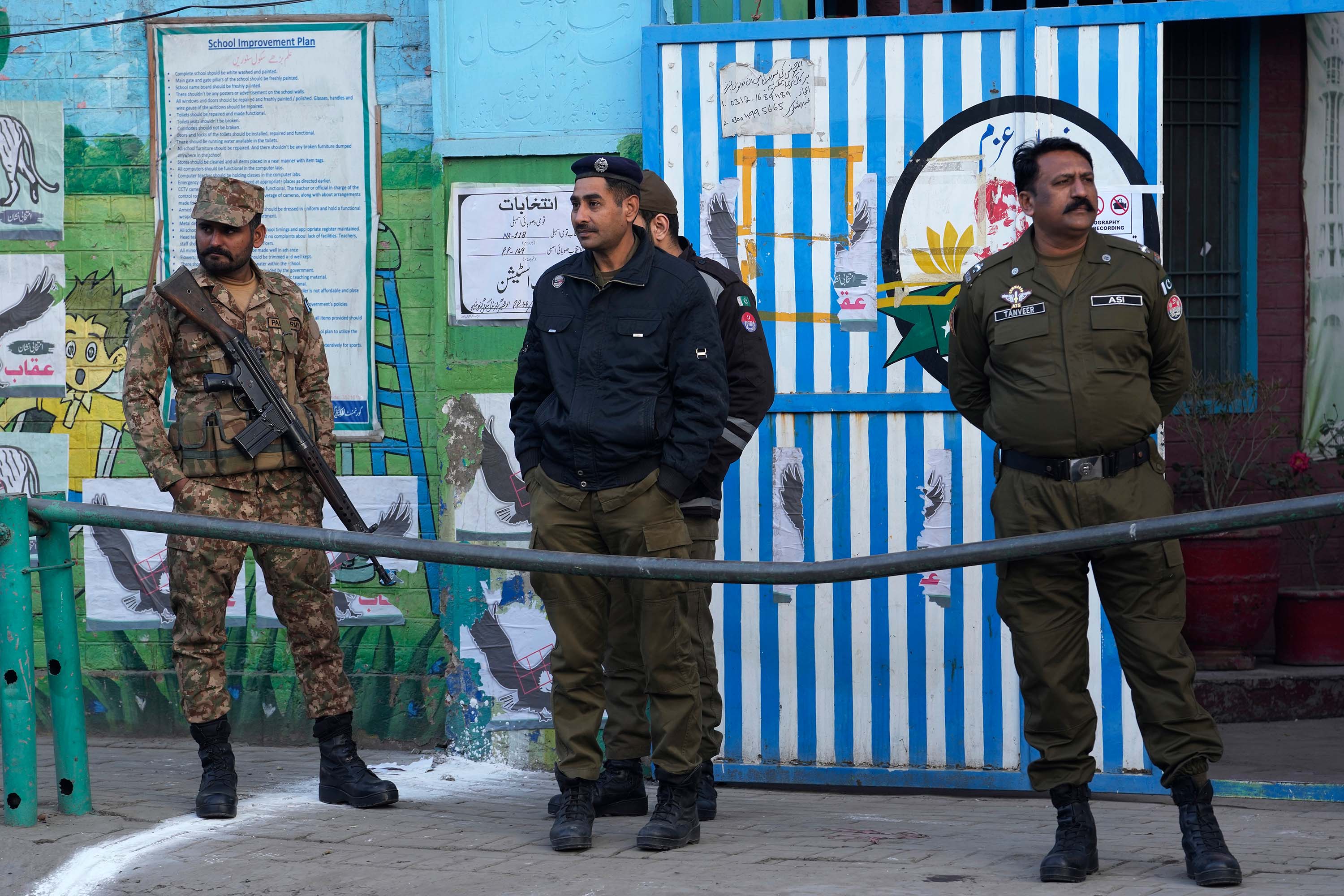
Reported attacks on education were documented in several contexts of election-related violence and student and teacher protests, including India, Kenya, Mozambique, and Pakistan. Attacks included attacks on schools and staff ahead of, or during, elections, and some students were reportedly injured at, or on their way to or from, school, during education-related violence.
Students and education personnel experienced repression or excessive force during education-related protests in many countries. GCPEA found that over 7,000 students, teachers, and other education personnel were detained or arrested in attacks during 2024-2025.
06
Key Trends
Military Use of Schools Frequently Resulted in School Attacks
In 2024 and 2025, the number of cases of the military use of schools or universities increased to over 2,100, compared to around 1,000 in the previous reporting period. GCPEA identified over 100 cases in Colombia, DRC, and Ethiopia. In some contexts, reported cases of the military use of schools co-occurred with attacks on school facilities across multiple conflict contexts, including armed clashes at or near schools, or occupied schools being targeted by rival forces.
07
Building on Emerging Preventive Approaches
Since 2017, GCPEA has documented a steady global increase in reported attacks on education. This escalation highlights the need for additional investments in earlier action to save lives, limit disruptions to learning, and protect educational investments, as emphasized in a recent report by the Geneva Global Hub for Education in Emergencies.
While significant political and implementation progress has been made in protecting schools from attack and addressing military use and occupation of schools, more can be done. Important anticipatory action momentum has been driven by advocates and signatories of the Safe School Declaration,
Governments and civil society organizations working across multiple sectors and in private-public partnerships already provide frameworks that could be leveraged in developing early warning systems and responses specifically to monitor heightened risks for attacks on education.
For early warning actions to be successful, it is imperative that systems are built on community expertise, and risk warnings reach communities, families, students, and educators early enough for effective prevention and protection responses.
Community-led monitoring efforts, predictive research models, knowledge sharing via social media and crowd-sourcing platforms, and satellite imagery analysis have all proved essential to conflict and disaster risk anticipatory action, as well as useful for peacebuilding and accountability mechanisms, and should be more seriously considered as potential ways forward to proactively protect education from attack.
08
Recommendations
This year marked a decade of the Safe Schools Declaration (SSD). Despite considerable progress on implementing the Declaration, a growing number of State endorsements, and nearly universal acknowledgment of the right to a safe education, attacks have evolved in scale and brutality. To reverse the normalization of violence against learning, GCPEA calls on States and the international community to translate political commitment into measurable legal and operational enforcement.
-
Close the Protection Gap through Domestication of International Standards
- Universal Endorsement
- Legislative Integration
- National Action Plans
- Inclusive Participation
- Context-Specific Analysis
-
End Military Use and Secure the “Right to be Safe in Education”
- Prohibit Military Use
- Criminalize Military Use
- Operationalize Safety
- Commitment by Non-State Actors
- Address Drone Threats
- Control Proliferation
-
Sustain and Protect the Global Monitoring Ecosystem
- Prioritize Monitoring
- Expand Multi-Sectoral Partnerships
- Ensure Ethical Standards
- Protect Information Flows
- Inform Policy Through Data
-
Protect Education During Electoral Cycles
- Prevent political interference
- Minimize School Use as Polling Stations
- Protect Educators
-
Resource Anticipatory Action and Early Warning Systems (EWS)
- Invest in Proactive Systems
- Support Community-Led Platforms
- Monitor Early Warning Indicators